All Categories
Featured
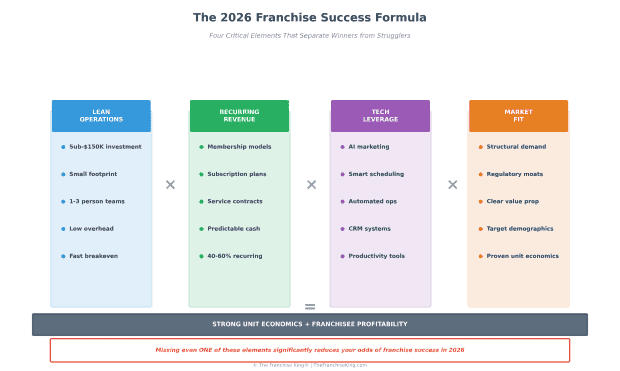

How to Expand a Dining Brand
Table of Contents
If you've been operating for a while and are aiming to scale, now's the perfect opportunity to revisit your original business plan and marketing techniques. This reflective procedure permits you to utilize your collected experience and make necessary adjustments for future growth. By evaluating what's worked and what hasn't, you can fine-tune your understanding of your target market and customize the dining establishment experience to better meet their progressing requirements.
The 2026 Shift in Quick-Service HospitalityConsider the following: Analyze key metrics like customer feedback, sales information, and marketing campaign results to determine successes and areas for improvement. Has your ideal customer altered over time? Does your restaurant still provide a special and engaging experience?
Think about digital marketing, social networks engagement, and regional collaborations. Based on your analysis, develop possible and measurable growth targets for profits, client acquisition, and market share. We'll discuss growth goals even more in a bit. Update your monetary forecasts to show your revised business strategy and development goals. This consists of budgeting for growth, staffing, and marketing efforts.
Diversifying revenue streams permits dining establishments to reach a wider client base and capitalize on evolving customer choices. Offering curated meal packages or ready foods for retail sale extends the restaurant's brand into clients' homes, producing new touchpoints and producing extra earnings. Hosting private events, cooking classes, or partnering with local businesses for special experiences can even more boost brand presence and customer engagement.
Here's a list of ideas for added profits streams: Develop a devoted catering arm to service occasions of numerous sizes. Invest in necessary devices, staff training, and targeted marketing to draw in business customers, community companies, and personal parties. A dedicated occasions supervisor can be an important property. Transform your restaurant into an event place.
Key Regional Milestones for 2026 Growth
Consider ticketed events to generate more consumers. Routine themed nights (e.g., trivia, live music, special cuisines) can attract new clients and enhance mid-week organization. Deal cooking classes or presentations to engage the neighborhood and generate extra earnings. Take advantage of vacations and seasonal active ingredients with special menus and promotional occasions.
Think about offering top quality product (e.g., clothing, mugs, cookbooks) to produce extra revenue and promote brand name loyalty. A distinct development method supplies a roadmap for the future, detailing clear objectives, target markets, and action strategies.
By examining market trends, competitor activities, and customer preferences, a strategic method makes it possible for restaurants to make informed choices about menu advancement, marketing projects, and operational modifications. Moreover, a growth strategy helps with resource allocation, making sure that financial investments in staffing, innovation, and marketing are aligned with the general business objectives. Ultimately, planning for growth empowers restaurants to move beyond just enduring and instead concentrate on prospering, maximizing success, and constructing a sustainable and successful brand.
Restaurant Sector Trends Redefining 2026
Focus on establishing a successful design in one or two places before scaling even more. Preserve brand name identity and core values throughout growth. Guarantee that the client experience and quality of offerings stay constant across all places.
From online purchasing and reservation systems to advanced point-of-sale (POS) and inventory management software to event management software application, technology provides a multitude of tools to streamline operations, improve the customer experience, and drive success. Information analytics stemmed from these systems supply important insights into customer choices, sales trends, and operational effectiveness, making it possible for data-driven decision-making for menu advancement, marketing campaigns, and staffing methods.
Embracing technology not only enhances efficiency and decreases costs but likewise enables restaurants to adapt quickly to changing market demands and stay ahead of the competitors, paving the way for sustainable development and success. Carry out an extensive POS system that incorporates purchasing, inventory management, client relationship management (CRM), and reporting functionalities.
Utilize e-mail marketing and social networks platforms for targeted marketing projects and customer engagement. Track essential performance indicators (KPIs) such as sales information, consumer demographics, and popular menu items to notify company decisions and optimize operations. Scaling a restaurant requires a tactical and complex method. By focusing on operational efficiency, revenue diversification, and controlled expansion, restaurant owners can position their businesses for sustainable growth and success.

Latest Posts

Steps to Scale Your Dining Concept
Analyzing Fast Casual Market Share Data for 2026
Emerging Shifts Shaping the Hospitality Sector