All Categories
Featured
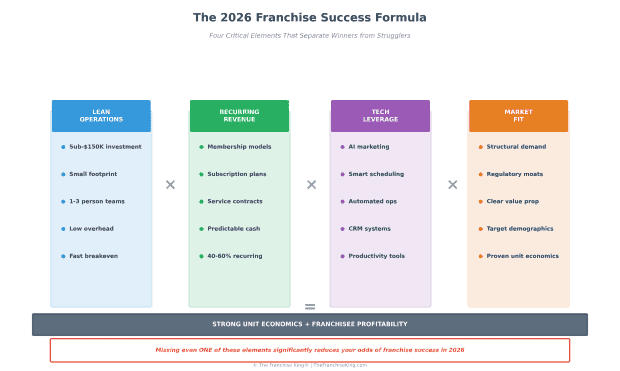

Expert Ways to Boost Market Share via Expansion
AI chatbots can answer often asked guest questions, reducing front desk and consumer service workload so these staff members can concentrate on more complex matters and on creating meaningful guest interactions. AI analysis of infrastructure and machinery can prepare for concerns, while agentic AI can handle repairs and order parts autonomously, decreasing the risk of interruptions and costly emergency situation repairs.
Agentic AI can evaluate meal and drink offerings, buyings, and profitability to instantly purchase new inventory and recommend rate or menu adjustments. According to EHL Assistant Professor Dr. Jie Yu Kerguignas, hospitality leaders "are eager to try out tools that empower workers." As EHL alumnus, Vice President at Apaleon, and hospitality tech professional, Florian Montag says, the usage of AI is not about "robotics changing individuals" but about producing a collective dynamic where digital assistants deal with routine intricacy autonomously, releasing human workers to do what they do finest: provide authentic hospitality.
AI can also support mental health and task complete satisfaction by decreasing repetitive jobs and allowing more well balanced work. Where analyzing big sets of visitor information used to be labor-intensive, AI can effectively determine patterns and make actionable recommendations. As customization has ended up being progressively essential in current years, the importance of this opportunity can't be downplayed.
AI brings hospitality marketers both new opportunities and brand-new challenges. As an increasing number of tourists turn to AI for travel research and even to book journeys, hospitality brand names need to get visibility in the LLMS that travelers use.
For companies with minimal marketing resources, choices might require to be made, as those who move now have an opportunity to get ahead of the competition.
Strategic Growth Milestones for 2026Marketers can focus on technique as AI manages information analysis, repeated jobs, and online brand name tracking. With AI taking up a growing role in hospitality procedures, staff member retention hinging not simply on compensation however likewise on fulfilment and wellness, and the industry struggling with high turnover and ongoing staffing lacks, embracing a people-first technique is vital.
But a people-first technique isn't simply helpful for more youthful workers. EHL Professor Dr Bertrand Audrin says that the company world and market must not separate too strongly in between the particular requirements of different generations. He specifies that in the end, it's the team that decides whether a leader succeeds, and because sense, human-centric management is necessary to every staff member, regardless of their age or occupation.
And of course, excellent soft abilities. - Frank Marrenbach, EHL IAB Member and CEO of Althoff Hotels In conclusion, human-centricity is a required evolution for dealing with staff lacks, shifting staff member values, and accelerating technological development. By employing and training individuals who can lead with compassion, self-awareness, and authenticity, the hospitality industry can produce an attractive office for many generations to come, enhancing both worker and visitor fulfillment.
According to , 93% of worldwide travelers state they desire to make more sustainable choices when traveling, and 69% wish to leave places much better than when they got here. Tourists are generally likewise happy to pay more to remain at sustainable hotels. And as the need for environment-friendly practices is increasingly recognized and acted on, those at the leading edge are currently taking it an action even more.
Strategic Growth Milestones for 2026- Markus Venzin, CEO EHL Group Where sustainability measures success by what is minimized or prevented less carbon, less water, less waste regrowth, in contrast, concentrates on developing a favorable effect. Instead of merely balancing out harm, regenerative hospitality intends to develop new worth not just for its guests but for its entire surroundings.
The hospitality market can contribute to regrowth in different methods: by replanting mangroves, developing biodiversity, supporting regional ecological groups, or teaming up with regional ecological efforts to create meaningful guest experiences. by offering spaces to local groups, producing a hub where residents can meet, or welcoming local artists to carry out. by training and working with locals, or working with local vendors.
Expert Ways to Boost Market Share via Expansion
For brand name differentiation. The foodservice market is distinctively positioned to favorably impact social and natural environments, consumer health, and the economy as it touches so numerous lives every day.
They can react to the growing demand for food that is not simply satisfying however also encouraging of visitors' individual and the world's well-being. Adopting a more regenerative method is often seen as pricey and reserved for niche, premium brand names. There requires to be "a balance in between immediate functional requirements and long-term environmental objectives, positioning sustainability not only as a moral essential however likewise as a motorist of competitiveness and strength in the evolving foodservice landscape," as Dr Martin-Ross says.

Latest Posts

Steps to Scale Your Dining Concept
Analyzing Fast Casual Market Share Data for 2026
Emerging Shifts Shaping the Hospitality Sector